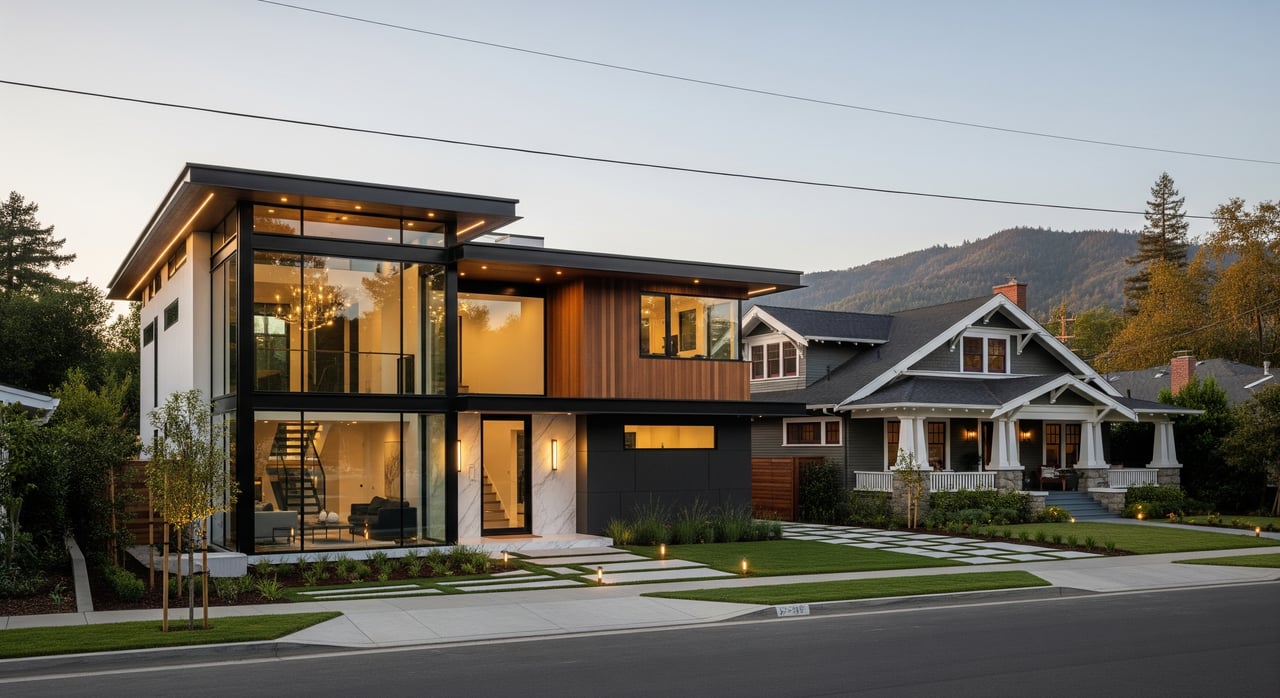
Should you pay a premium for a brand‑new townhome or hunt for a well‑located resale with character and a bigger lot? In Sunnyvale, the answer depends on your timing, budget for upgrades, and how you weigh convenience against space and flexibility. You want clarity before you commit. This guide breaks down the real differences so you can choose with confidence. Let’s dive in.
Sunnyvale market context
Sunnyvale sits in the heart of Silicon Valley with limited land for new single‑family neighborhoods. That means most new construction options are townhomes, condos, and mixed‑use infill near transit and employment centers. Demand stays strong because of proximity to major employers, local schools, and regional transit.
Resale homes range from mid‑century properties on larger lots to updated homes in established neighborhoods. Your decision often comes down to product type, timeline, and total cost of ownership.
Price and ongoing costs
New construction pricing
- Builders typically price new homes at a premium for modern systems and warranties.
- Expect a base price plus paid options for cabinets, flooring, countertops, smart features, and more.
- Some new communities include special taxes or assessments that increase annual costs.
- Builders may offer incentives such as closing cost credits or rate buydowns when you use their preferred lender.
Resale pricing
- Resale prices reflect comparable sales, condition, and competition.
- You can negotiate based on inspections and seller timelines.
- Immediate maintenance and upgrade needs vary by age and condition. Budget for roof, HVAC, electrical, or landscaping if systems are older.
Value and appreciation
New construction offers low initial maintenance and modern design. Paying a premium does not guarantee stronger appreciation than a comparable resale in the same area. Resale homes often have established lots, mature landscaping, and location benefits that can support long‑term value. Your agent can compare similar properties by product type to help you evaluate tradeoffs.
Timing and closing mechanics
New construction timelines
- From contract to completion can take months or longer, especially for built‑to‑order homes.
- You will have scheduled walkthroughs before drywall and at completion.
- Final occupancy depends on permits and the certificate of occupancy. Construction delays are possible.
Resale timelines
- Typical closings run about 30 to 45 days with financing and standard contingencies.
- You can often move in at closing unless a rent‑back is negotiated.
Inspections, disclosures, and warranties
New construction protections
- Builders provide statutory disclosures and a written warranty. Coverage often includes shorter‑term workmanship and systems plus longer structural coverage. Terms vary by builder.
- Contracts may limit remedies or require arbitration. Consider independent legal review.
- Schedule independent inspections during allowed windows, including a pre‑drywall inspection if possible.
Resale due diligence
- Sellers provide required disclosures, including Transfer Disclosure Statements and Natural Hazard reports.
- Get inspections suited to the property: general home, pest, roof, HVAC, sewer scope, chimney, and more if needed.
- Permits and past remodel history can help you evaluate long‑term performance.
Energy code and operating costs
New homes in California must meet current Title 24 energy standards. Since 2020, many new single‑family homes include solar photovoltaic systems as part of code requirements. Recent code cycles have improved insulation, airtightness, HVAC efficiency, water use, and EV‑readiness. Resale homes may require upgrades to match new‑home efficiency, though many have been retrofitted over time. Actual utility savings depend on home systems and how you use them.
Financing and appraisal
New construction loans
- You may use a standard mortgage for completed units or consider construction‑to‑permanent financing for built‑to‑order homes.
- Builders sometimes offer preferred‑lender incentives. Compare total costs, rates, and fees.
- Appraisals can be complex when there are limited comparable sales. Appraisers may rely on builder sales within the project or nearby new builds.
Resale financing
- Most resales follow a standard mortgage process with established comparables.
- Some loan types require certain property conditions, which can impact older homes.
Taxes and special assessments
- New construction typically establishes a new assessed value for property taxes under California rules. Some new developments include community facilities districts or special taxes that add to your annual bill.
- Resale homes also receive a reassessment at purchase. Older communities may not have additional special taxes, but confirm with the county.
Always confirm tax details with the county assessor or a qualified tax professional before you buy.
HOA, parking, and community rules
- Many new Sunnyvale townhome and condo communities have HOAs that maintain shared amenities. Review CC&Rs, rules, rental policies, pet policies, parking allocations, reserves, and any planned special assessments.
- Resale homes may be outside an HOA or part of an established association with a documented track record. Study recent budgets and reserve studies before you commit.
Location, lot size, and lifestyle tradeoffs
- New construction in Sunnyvale’s core often means a smaller private yard, attached walls, and walkable access to retail and transit.
- Resale homes in older neighborhoods may offer larger lots, mature trees, and more privacy, with the possibility of future renovations.
Think about day‑to‑day life: parking needs, outdoor space, commute patterns, and proximity to services that matter to you.
Quick decision checklist
Use this list to focus your search.
- Budget: Have you priced upgrades and closing costs for a new build and estimated near‑term repairs for a resale?
- Timeline: Can you wait months for a new home, or do you need a 30 to 45‑day resale closing?
- Total annual costs: Have you checked for special taxes, HOA dues, and insurance differences?
- Space and privacy: Do you prefer a larger lot or low‑maintenance living near transit and services?
- Rules and flexibility: Are you comfortable with HOA restrictions on design, rentals, and parking?
- Energy and tech: Do Title 24 efficiencies, EV readiness, and possible solar matter to your daily use and budget?
- Due diligence: Will you secure independent inspections and review warranties, CC&Rs, and permits?
Two real‑world paths
- The new‑build buyer: You value modern design, lower initial maintenance, and builder warranties. You are comfortable with a longer timeline and selecting upgrades up front. You accept smaller outdoor areas in exchange for new systems and community amenities.
- The resale buyer: You want a larger lot, mature landscaping, and flexibility to renovate over time. You are ready to manage inspections and selective upgrades. You prefer established neighborhoods and a predictable 30 to 45‑day closing.
How to verify details locally
- Confirm current Sunnyvale market stats and comparable sales through local MLS data or recent broker reports.
- Check Sunnyvale Planning and Building for active projects, permit milestones, and any local electrification reach codes.
- Verify property tax estimates and any special assessments with the county assessor.
- Review builder warranty documents and ask about service response times and dispute processes.
- Ask your lender about appraisal approaches for new subdivisions and rate‑lock options for longer timelines.
Ready to weigh the tradeoffs with a clear plan for Sunnyvale? Get tailored guidance, pricing insights, and a search strategy that fits your timeline and goals. Connect with The Lister Team for a focused consultation and next steps.
FAQs
What drives higher prices on new homes in Sunnyvale?
- Builders price in new condition, modern systems, and warranties, and final cost often includes upgrades and potential special taxes or assessments.
How long does a Sunnyvale new build take to close?
- It can take months from contract to completion, with walkthroughs and permit milestones before the certificate of occupancy is issued.
Do new homes usually have lower utility bills?
- Often yes, because they meet current energy codes and may include efficient HVAC, insulation, windows, and solar for many single‑family homes in California.
Can you negotiate with builders in Sunnyvale?
- Yes. Incentives like closing cost credits, upgrades, or interest rate buydowns are common levers depending on market conditions.
How do property taxes work on new construction?
- A new assessed value is established at purchase, and some developments include additional special taxes; verify details with the county before you buy.
What inspections should you get for a resale home?
- Typical inspections include general home, pest, roof, HVAC, sewer scope, and chimney, with specialists added based on what the initial reports reveal.