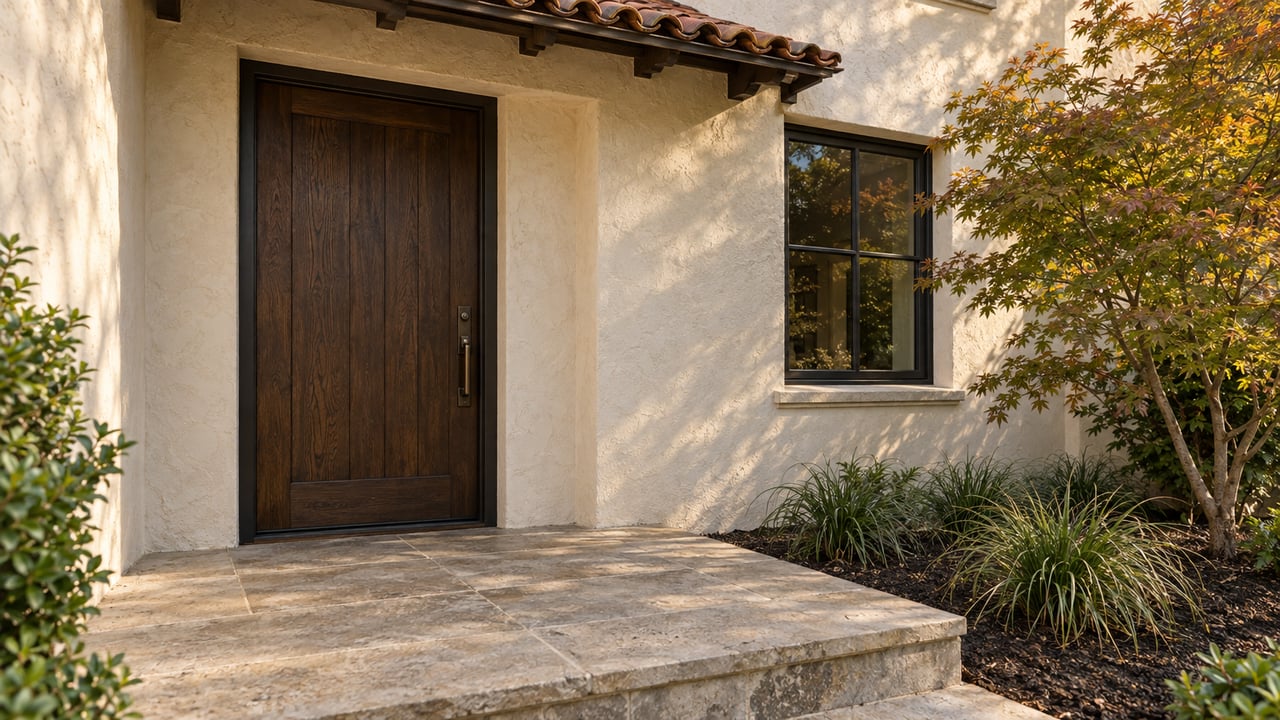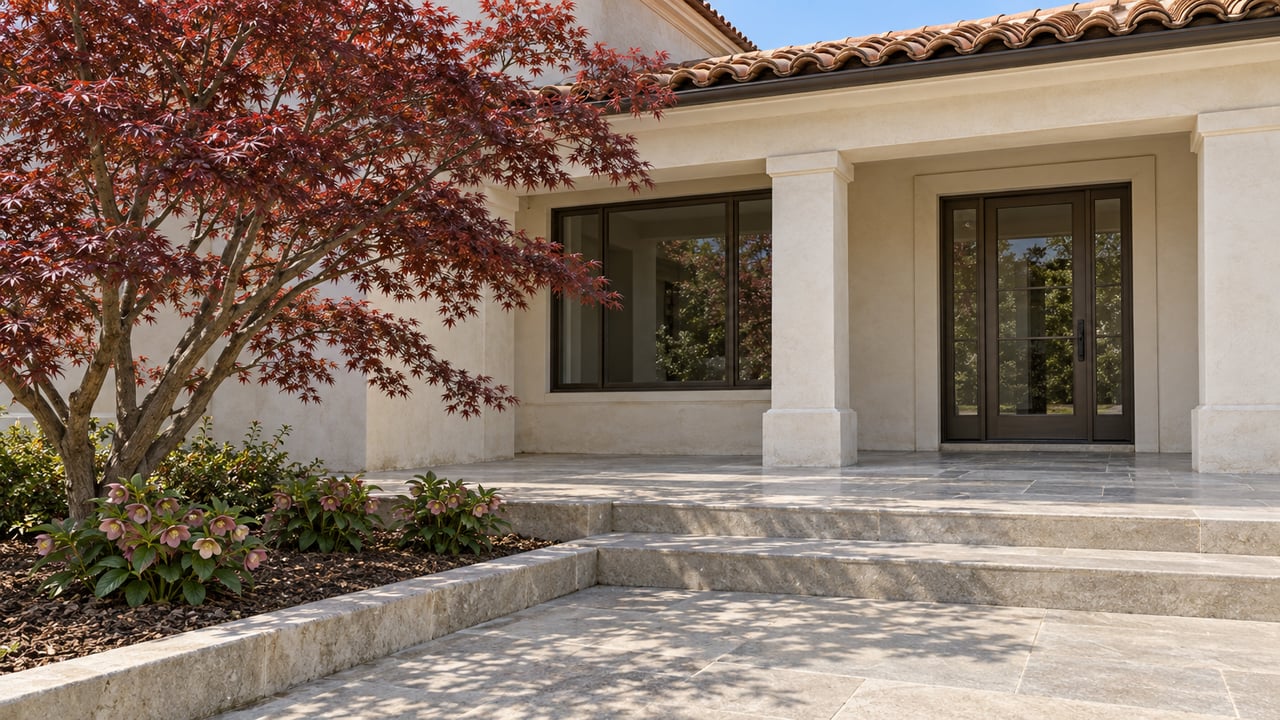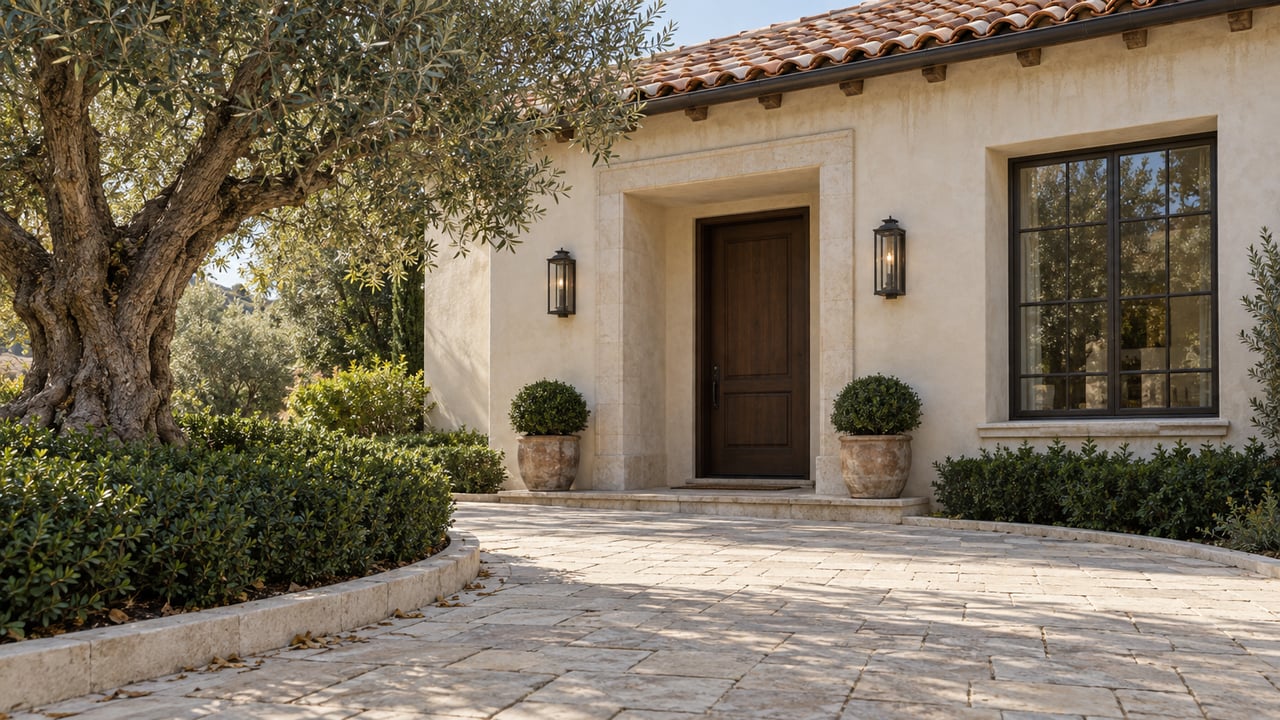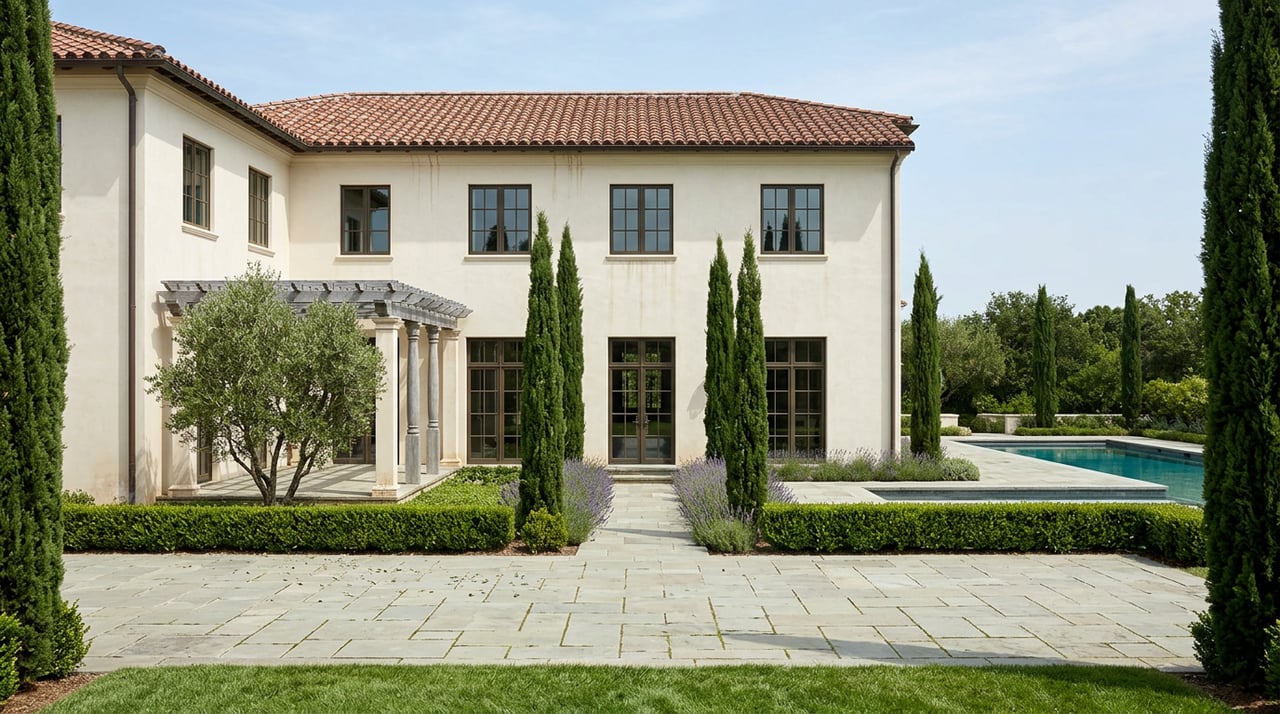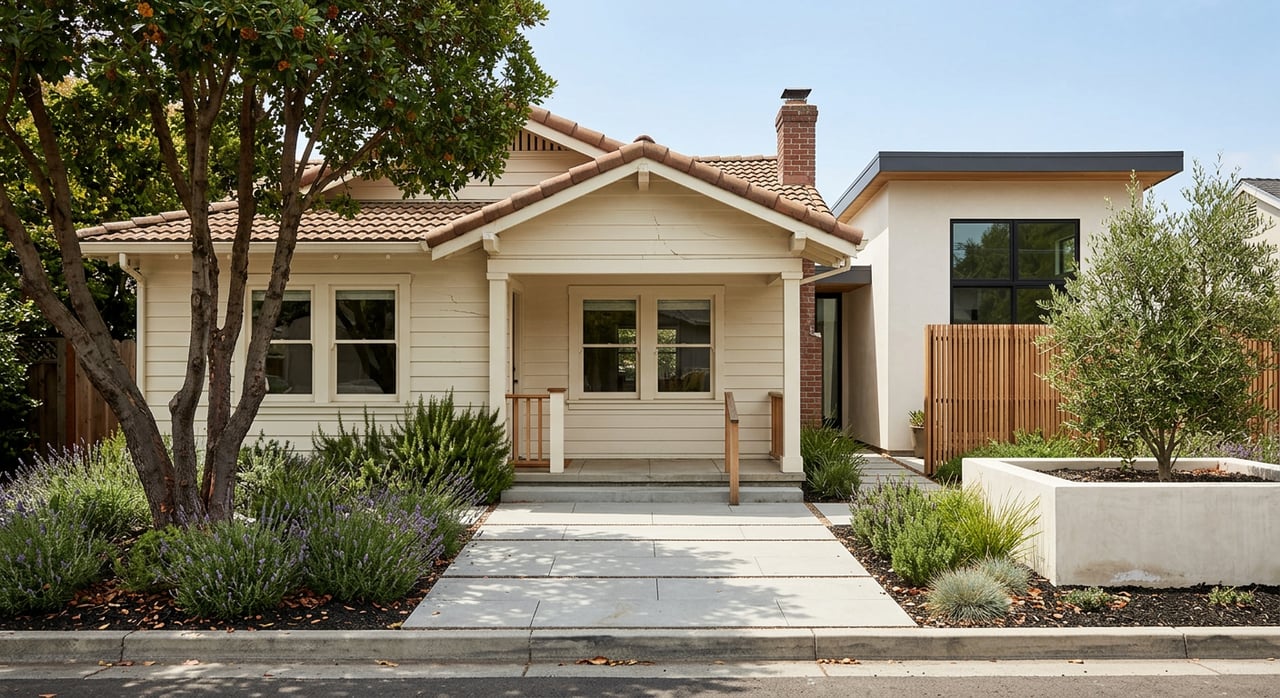
You have great options in Campbell, and that is the challenge. Do you go for a cottage with vintage detail and a real backyard, or a newer townhome with modern systems and less weekend upkeep? Both paths can work in this market. In the next few minutes, you’ll see real trade‑offs on price, layout, maintenance, energy use, ADU potential, and resale so you can move forward with confidence. Let’s dive in.
Campbell market context
Campbell is a high‑demand Silicon Valley city where typical values often sit between about $1.6 million and $2.1 million, depending on the data source and time frame. Recent examples show new construction townhomes listed around the mid‑$1.6 million to high‑$1.8 million range, with one recent 3‑story unit at roughly $1.725 million. Many new‑plan communities publish HOA dues in the low‑to‑mid hundreds per month, and we have seen figures near $350. Prices shift quickly, so lean on current comps for your exact block and home type.
Vintage cottages and bungalows: what you get
Older homes near Historic Downtown Campbell often offer single‑level living, mature landscaping, and character details like built‑ins and front porches. You will also see larger lots in some established pockets, which appeals if you value outdoor space. Campbell’s historic fabric is well documented through local landmarks such as Ainsley House and the Galindo‑Leigh and Young Houses, which reflect early 20th‑century styles and scale. You get charm and neighborhood feel, with the understanding that systems may be older and upgrades more likely. Learn more about Campbell’s historic context through the National Park Service’s listings for California historic properties at the state level, including Campbell entries at the bottom of that page: California listings, National Park Service.
Newer construction and townhomes: what you get
Newer homes and townhomes show up on infill sites close to central Campbell and transit corridors. Floor plans are typically open on the main level with multiple en‑suite bedrooms and built‑in laundry. Many new units advertise dual‑pane windows, heat‑pump HVAC, EV‑ready wiring, and solar or solar‑ready setups. Builder warranties can reduce near‑term capital projects, and HOA management usually covers exterior items, balanced by a monthly fee.
Layout and daily living
Single level vs vertical living
If you prefer one‑level circulation, a bungalow can be a comfortable fit. Newer townhomes offer more square footage across multiple levels, which creates separation between living and sleeping zones and can help with a home office setup.
Outdoor space and privacy
Older properties often win on yard size and mature trees. New townhomes lean toward balconies and modest patios, which cuts yard work and can suit a lock‑and‑leave lifestyle.
Storage and parking
Vintage homes may include detached garages or basements, though storage varies by era. New builds often include attached garages with EV‑ready wiring and thoughtful storage solutions.
Maintenance and project planning
Older systems and likely upgrades
In older homes, expect to evaluate electrical panels and wiring, plumbing materials, insulation levels, and window performance. For any home built before 1978, plan for lead‑safe practices during renovations and ensure your contractors follow EPA RRP rules. See a clear overview of lead‑based paint and renovation compliance here: Lead‑safe renovation overview.
Seismic safety and retrofit costs
For raised‑foundation homes, ask whether the foundation is bolted and cripple walls are braced. Typical brace‑and‑bolt retrofits commonly range about $3,000 to $7,000 for many raised‑foundation houses, depending on scope. California’s Earthquake Brace and Bolt program documents costs and offers grants that can offset part of the work. Explore the program here: Earthquake Brace and Bolt.
Annual budgeting rule of thumb
A common planning guide is to set aside roughly 1 to 3 percent of a home’s value per year for maintenance and system replacement. In Campbell, that translates to tens of thousands of dollars annually at local price points. Older homes tend to sit toward the higher end of that range, while newer builds and townhomes with active HOAs may trend lower on individual owner outlays in the early years.
Energy efficiency and code changes
New construction in California must meet state Building Energy Efficiency Standards, known as Title 24. The 2025 code update takes effect January 1, 2026, and continues the push toward tighter building envelopes, efficient equipment, and electric‑ready features. Review the state overview here: California Title 24 standards. Related state policy encourages heat pumps and electrification for space and water heating, which you will increasingly see in new homes and remodels. For context on these measures, see the state’s decarbonization FAQs: Zero‑emission equipment FAQs.
Older homes often start with single‑pane windows, limited insulation, and legacy furnaces or water heaters. Upgrading windows, insulation, and HVAC can cut utility bills and improve comfort, but you should bid the work before closing when possible.
ADU potential and HOA realities
Accessory Dwelling Units are a major differentiator. Many older lots have room to add a detached ADU, which can support multigenerational living or potential rental income, subject to local and state rules. Campbell publishes a clear ADU bulletin and includes specific provisions for historic properties that shape placement, height, and design. Read the city’s guidance here: City of Campbell ADU Bulletin.
Townhomes and condominiums sit inside HOAs, which may limit or prohibit ADUs. Always review CC&Rs, design guidelines, and the HOA’s reserve study, and check for special assessment history or pending litigation. HOA dues in new Campbell townhomes often sit in the low‑to‑mid hundreds per month and should be included in your total cost of ownership.
Resale considerations
Older homes in established pockets can command premiums for lot size, walkability, and architectural character. Values depend on condition and permitted improvements, and deferred maintenance can reduce buyer interest or impact pricing. Historical designations protect charm and may guide your exterior remodel choices.
Newer homes and townhomes sell well to buyers who want modern systems, an open plan, and less near‑term maintenance. Proximity to downtown amenities is a plus. Some buyers place a discount on limited private yard space or HOA restrictions, so emphasize location, condition, and features that align with the largest buyer pool.
Quick viewing checklists
When touring an older bungalow or cottage
- Ask for permits and dates for major work such as roof, kitchen, bath, foundation, electrical, and plumbing.
- Order a general inspection, then add specialists if flagged, such as electrician, plumber, and structural engineer. Plan for lead‑safe practices if built before 1978. See: Lead‑safe renovation overview.
- Inspect the crawlspace for moisture, bracing, sill bolts, and any signs of rot or settlement. Ask about chimney condition and seismic work. Learn about funding options here: Earthquake Brace and Bolt.
- Budget with a cushion, using the 1 to 3 percent annual rule based on today’s market value.
When touring a newer townhome or infill build
- Confirm what the builder warranty covers and how punch‑list items are handled. Verify that promised features such as heat pumps, EV wiring, and solar readiness are included.
- Review HOA documents for coverage, dues, reserves, and rules. Request the full resale packet in escrow.
- Ask for energy compliance documentation where available, such as Title 24 compliance forms or HERS testing. See the state overview: California Title 24 standards.
Making the call: a simple framework
Choose a vintage Campbell home if you want single‑level living, a real backyard, and character you can personalize over time. Go newer if you value modern systems, open layouts, and a low‑maintenance lifestyle with predictable HOA care. In both cases, the best decision comes from precise comparables, targeted inspections, and clear cost planning.
If you want a data‑driven side‑by‑side for your short list, we are happy to prepare it. You will see exact comps, estimated upgrade budgets, HOA due diligence points, and Title 24 energy implications tailored to each address.
Ready to walk through homes that fit your style and budget? Let a seasoned, appraisal‑minded team guide you through trade‑offs, inspections, and pricing so you buy with confidence in Campbell. Connect with The Lister Team to get started.
FAQs
Will an older Campbell bungalow be cheaper than a new townhome?
- Not always. Smaller vintage homes can cost less on some blocks, but larger lots and central locations can push older single‑family prices equal to or above new townhomes. Use current comps for a true comparison.
How much should I budget for maintenance in Campbell?
- A common rule is 1 to 3 percent of home value per year. At Campbell prices, that means a meaningful annual set‑aside. Older homes usually sit toward the higher end of that range.
What does a typical seismic retrofit cost for older homes?
- For many raised‑foundation houses, brace‑and‑bolt work often ranges about $3,000 to $7,000, with grants available through programs like Earthquake Brace and Bolt.
What energy code applies to new builds and major remodels?
- California’s Title 24 standards apply, with the 2025 update taking effect January 1, 2026. Expect strong efficiency requirements and electric‑ready measures. See the state overview: Title 24 standards.
Can I add an ADU to a Campbell property?
- Many single‑family lots can support an ADU under state law and Campbell’s streamlined process. Historic properties have design provisions. Review the city’s guide: Campbell ADU Bulletin.