Picture this: a morning run along the Los Gatos Creek Trail, a farm-to-table lunch in Saratoga Village, and an evening stroll through Santana Row under twinkling lights. If that mix of nature, dining, and refined convenience sounds like your ideal day, West San Jose’s West Valley might be where you want to land. You will find a wide range of luxury homes here, from remodeled ranch houses with generous yards to estate-scale properties in nearby foothills. In this guide, you will learn how the area is defined, what luxury living looks like across different pockets, how it compares with nearby markets, and the key details to consider before you buy. Let’s dive in.
West Valley defined
Locals use “West San Jose” or “West Valley” to describe the city’s western edge near Cupertino, Saratoga, and Campbell. It generally stretches between Stevens Creek Boulevard to the north, State Route 85 to the south, Highway 17 to the east, and De Anza Boulevard to the west. Several ZIPs fall inside this zone, and many real estate reports treat it as a distinct submarket. You can read more about the area’s identity in the West San Jose overview.
The area’s services reflect that identity. For example, the City of San Jose lists a dedicated West Valley branch of the public library, reinforcing the sense of a micro-region with its own daily rhythm and amenities.
Luxury homes snapshot
West Valley behaves like a higher-end slice of San Jose with meaningful variation block to block. Citywide medians sit below the West Valley’s priciest pockets, and neighborhood-level medians in the western ZIPs frequently run much higher. Here is a brief data view to frame expectations:
- Citywide context: San Jose’s recent city-level median sale price sits around the mid-$1 million range as of early 2026, based on major trackers such as Redfin and Zillow. Different sources use different windows, so numbers vary by month and method.
- West Valley context: Western neighborhood medians often land in the low-to-mid millions. Several west-side medians are commonly in the 2.0–3.0 million range, and some snapshots show around 3.16 million over a 12-month window. Exact figures shift by ZIP, school assignment, and data vendor.
The takeaway: expect higher medians than the San Jose city average, but know the range is wide by micro-neighborhood and lot size.
Price bands by pocket
- Move-up luxury: In many West Valley neighborhoods, especially near Cambrian and parts of 95129, you will see remodeled single-family homes in the 1.5–3.0 million range, depending on lot size and specific micro-location.
- Estate tier: In Saratoga, Los Gatos, Monte Sereno, and foothill-adjacent pockets, high-end sales scale up to multiple millions. Larger compounds on acre-plus lots can trade well into eight figures.
Lot size and land
- West San Jose and Cambrian: Many postwar ranch homes sit on lots around 5,000–9,000 square feet, with 6,000–8,000 square feet very common. These parcels allow for expanded outdoor living, pools, and large-scale remodels or full rebuilds.
- Saratoga, Los Gatos, Monte Sereno: Lots often start around a quarter acre and move up to one acre or more, with estate parcels in the hills that span multiple acres. That scale supports resort-style backyards, guesthouses or ADUs, and long, private driveways.
Architecture and amenities
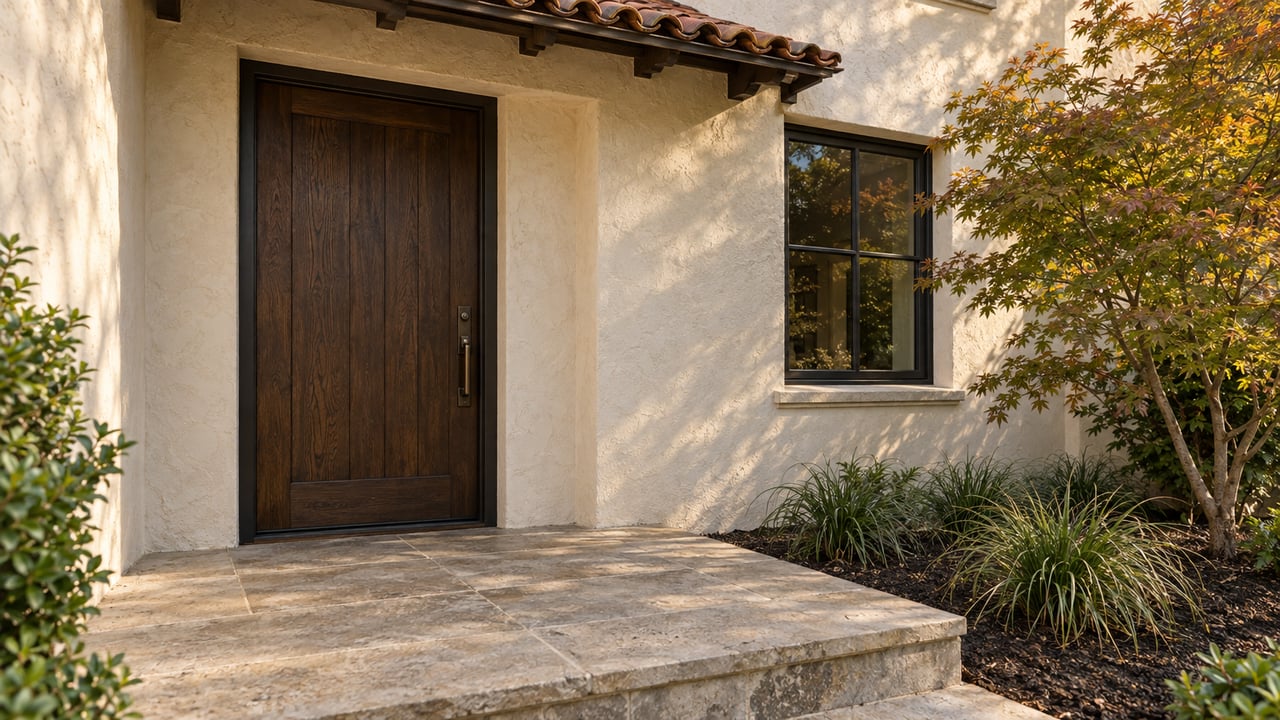
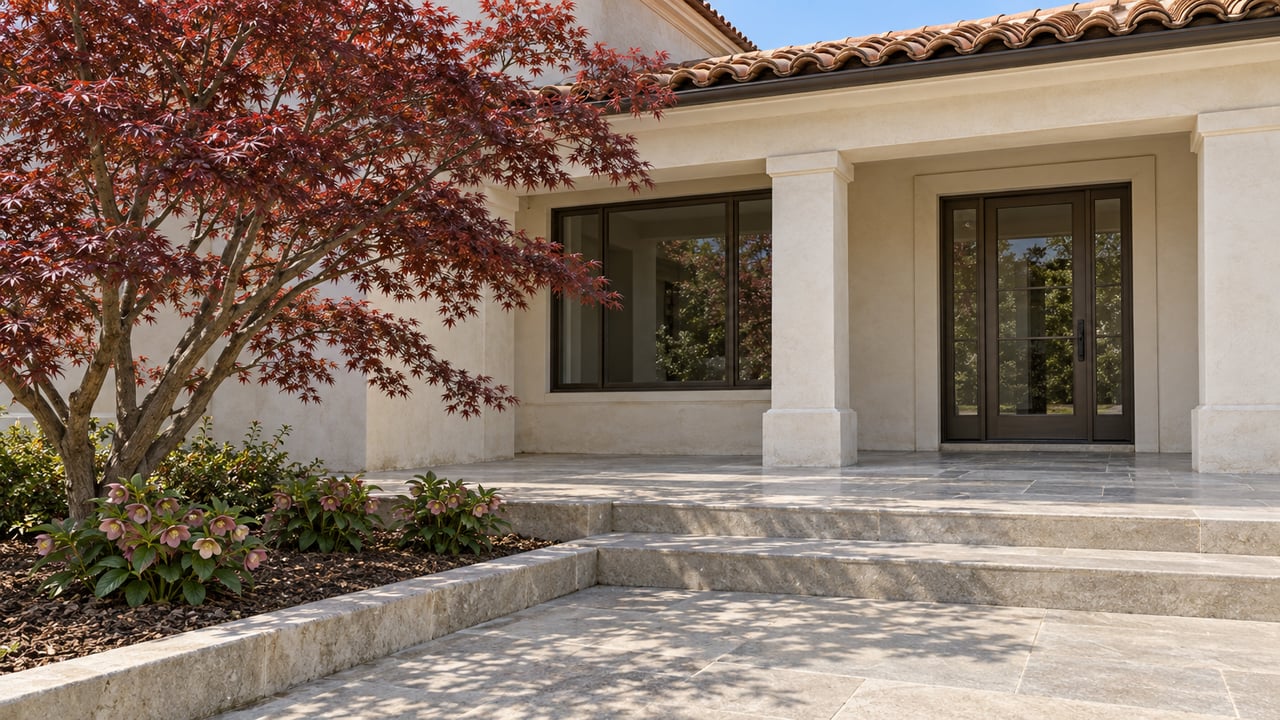
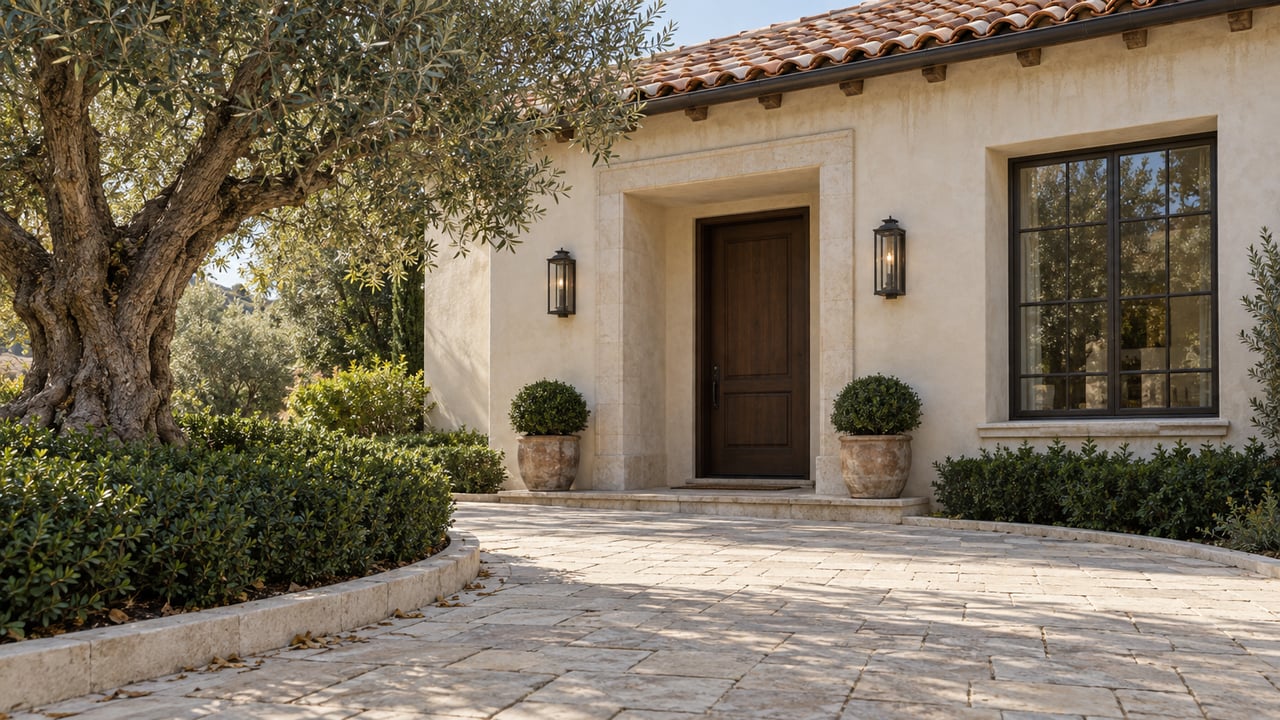
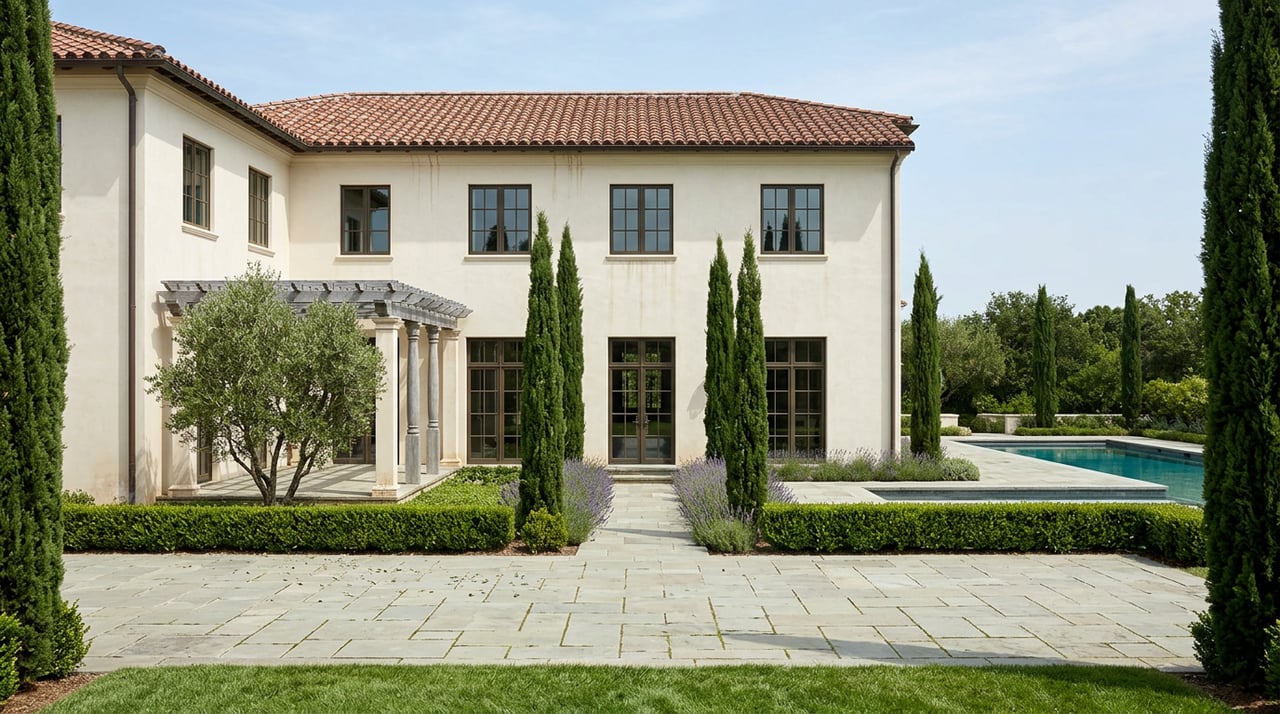
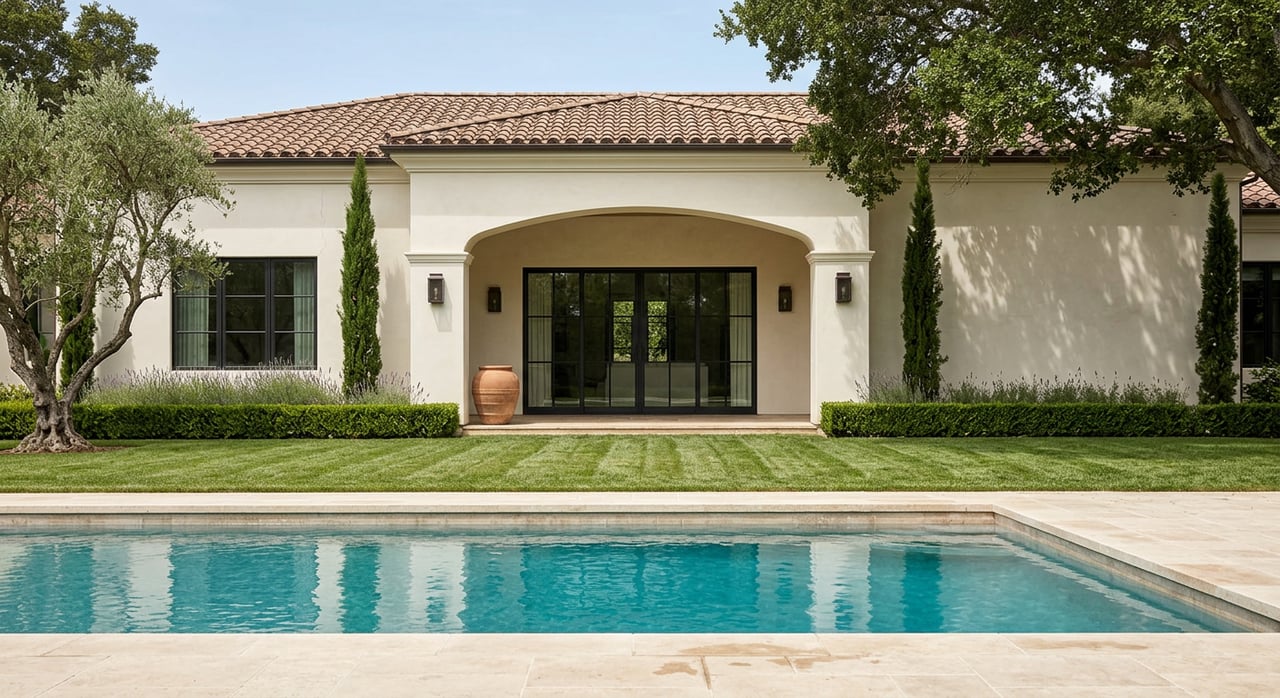
Expect a mix. Mid-century ranch homes are common on the flats, often transformed with down-to-studs renovations that open floor plans and add indoor–outdoor flow. In the foothills and estate zones, you will find Mediterranean and Spanish-influenced villas, contemporary custom builds, and view-forward modern homes. Typical luxury features include pools, outdoor kitchens, smart-home systems, multi-car garages, high-end chef’s kitchens, wine rooms, and terraces designed to capture sunset light.
Privacy and gated options
Privacy here is more about thoughtful site planning than grand gates. Mature hedging, deep setbacks, and larger lots do most of the work across the suburban pockets. You will find some gated or controlled-access communities in and near Los Gatos and Saratoga, but the dominant model is a private-feeling single-family street with established landscaping creating a quiet buffer.
Lifestyle and dining
On the retail and restaurant front, two anchors sit at the heart of West Valley living. Santana Row offers a walkable, boutique-style district with shopping, dining, a hotel, and regular events. Across Stevens Creek Boulevard, Westfield Valley Fair brings a large-format, luxury mall experience with a deep restaurant and retail lineup. For an overview of the mall’s scale and offerings, see this regional guide to Westfield Valley Fair.
If you prefer quieter streets and historic charm, downtown Los Gatos and Saratoga Village deliver intimate boutiques, wine bars, and destination dining that feel made for easy weekend strolls. For culture and events, Saratoga’s Montalvo Arts Center is a standout, with performances, artist programs, and scenic grounds.
Parks and outdoors
The West Valley sits near a network of trails and open spaces that make quick after-work hikes and weekend adventures easy. The Los Gatos Creek Trail threads through neighborhoods and into Vasona Lake Park for family-friendly routes, picnics, and paddling. See the City’s overview of local trail and park facilities, including Los Gatos Creek Trail and Vasona Lake, in this facility directory entry.
For bigger trail systems, Santa Clara County Parks manages extensive preserves across the South Bay, including the historic Almaden Quicksilver County Park. Nearby, Sanborn County Park and Castle Rock open up redwood canyons and ridge hikes, while Rancho San Antonio and other Midpeninsula preserves provide miles of mixed-use trails.
Commute and access
West Valley neighborhoods are primarily car-oriented but well-positioned for regional mobility. You are close to I-280, SR-85, Highway 17, and arterials like Stevens Creek Boulevard and San Tomas Expressway, which link to Cupertino, Sunnyvale, Santa Clara, and parts of Mountain View. Public transit is available via VTA buses and light rail, and regional rail connects through Diridon Station, but most residents rely on driving for daily commutes.
What your money buys
Here is a quick, real-world frame for the area’s housing spectrum. Prices vary by exact location, lot size, architecture, and recent upgrades, but these are typical patterns:
- Near Santana Row and Valley Fair: Lock-and-leave condos and townhomes trade at premium prices for walkability and amenities. Many updated units sell north of one million, with larger or newer homes moving into the low two millions depending on finishes and outlook.
- Cambrian and central West San Jose: Remodeled ranch homes on 6,000–8,000 square foot lots often land in the 1.5–2.5 million range, with top-to-bottom rebuilds and larger parcels pushing higher.
- Saratoga, Los Gatos, Monte Sereno: Estate properties on 0.5–1+ acre lots commonly start around 3 million and can extend to eight figures for acreage, privacy, and bespoke design.
Market snapshot, source notes:
- As of early 2026, major trackers report San Jose citywide medians around the mid-$1 million range. Neighborhood medians in West Valley pockets often trend 2.0–3.0 million or more depending on ZIP and school boundary. Data sources include Redfin and Zillow. Because each uses different methodologies and time windows, your best lens is a current, neighborhood-level analysis.
Compare nearby markets
- San Jose citywide vs. West Valley: West Valley pockets typically command higher medians than the city as a whole. Use local neighborhood data for a true luxury picture rather than citywide averages.
- Peninsula and foothill cities: Areas like Palo Alto and Los Altos often show higher per-square-foot pricing in central neighborhoods but with less access to larger lots. In the West Valley foothills, you can sometimes find larger acreage at prices that rival or exceed Peninsula options, depending on the property.
- East Bay contrast: Oakland, Berkeley, and Hayward offer more urban density and a different mix of housing types, with generally lower median prices than West Valley. Many relocating buyers weigh commute trade-offs against the larger yards and single-family options they can secure on the West side.
Buyer considerations checklist
Before you tour, a few items can help you set clear expectations and avoid surprises:
- School boundaries and value: School assignments vary across West Valley and do not always match city lines. If schools are a key factor for you, verify the assigned schools for each property’s exact address using district resources.
- Permits, remodels, and ADUs: Many luxury buyers renovate or rebuild mid-century homes. Larger remodels can take months for plan review and inspections. Review process expectations with San Jose’s Planning, Building & Code Enforcement team. For context on division workload and inspections, see this overview of the PBCE Building Division.
- Property taxes: Santa Clara County’s base property tax is governed by Proposition 13 at about 1 percent, plus local bonds and assessments. Effective rates often fall around 1.1–1.3 percent depending on the tax-rate area. Review details and examples in the County’s Property Tax FAQ.
- Wildfire and hillside insurance: Foothill estates can sit in elevated wildfire-hazard zones. Confirm fire-protection details and insurance availability during due diligence. The County’s hazard-mitigation plan maps wildfire exposure and other risks for jurisdictions like Saratoga, Los Gatos, and Monte Sereno. You can review the hazard mitigation plan for high-level context.
Your next step
Luxury in West Valley is about choice. You can live minutes from a European-style retail promenade and fine dining, while also keeping quick access to trailheads and regional parks. You can pick a turnkey modern rebuild on a generous suburban lot or an estate with room to create a private resort setting. The key is reading the micro-markets by block and boundary, then matching that with your lifestyle priorities.
If you are ready to explore West Valley or want tailored, neighborhood-level insights, connect with The Lister Team. You will get appraisal-informed pricing guidance, curated on- and off-market opportunities, and a calm, data-backed process from a veteran Silicon Valley team.
FAQs
What defines West San Jose’s “West Valley” area?
- It refers to San Jose’s western edge near Cupertino, Saratoga, and Campbell, roughly bounded by Stevens Creek Boulevard, SR-85, Highway 17, and De Anza Boulevard, with its own local identity and services.
How do luxury home prices compare within West Valley?
- Remodeled homes on standard lots often sell in the 1.5–3.0 million range, while estate properties in Saratoga, Los Gatos, and Monte Sereno can reach multiple millions to eight figures.
What lot sizes are typical for luxury homes here?
- Many West San Jose and Cambrian homes sit on 5,000–9,000 square foot lots, while Saratoga and Los Gatos often offer 0.25–1+ acre parcels and multi-acre estates in the hills.
What lifestyle hubs anchor West Valley living?
- Santana Row and Westfield Valley Fair form a major retail and dining cluster, while downtown Los Gatos and Saratoga Village provide smaller, historic shopping streets and restaurants.
Are commutes convenient from West Valley to tech job centers?
- Yes. You have quick access to I-280, SR-85, and Highway 17, with short drives to Cupertino, Sunnyvale, Santa Clara, and parts of Mountain View. Most residents drive.
What should buyers know about permits and remodeling in San Jose?
- Larger remodels and ADUs typically require a formal plan review and inspections that can add months. Align your timeline with San Jose’s PBCE processes early.
How do property taxes work in Santa Clara County?
- The base levy is about 1 percent under Prop 13, plus local assessments. Effective rates often fall around 1.1–1.3 percent. Review specifics in the County’s Property Tax FAQ.
Is wildfire risk a factor for West Valley estates?
- In foothill zones, yes. Confirm a property’s wildfire-hazard designation and insurance availability during due diligence and consult the County’s hazard-mitigation resources.