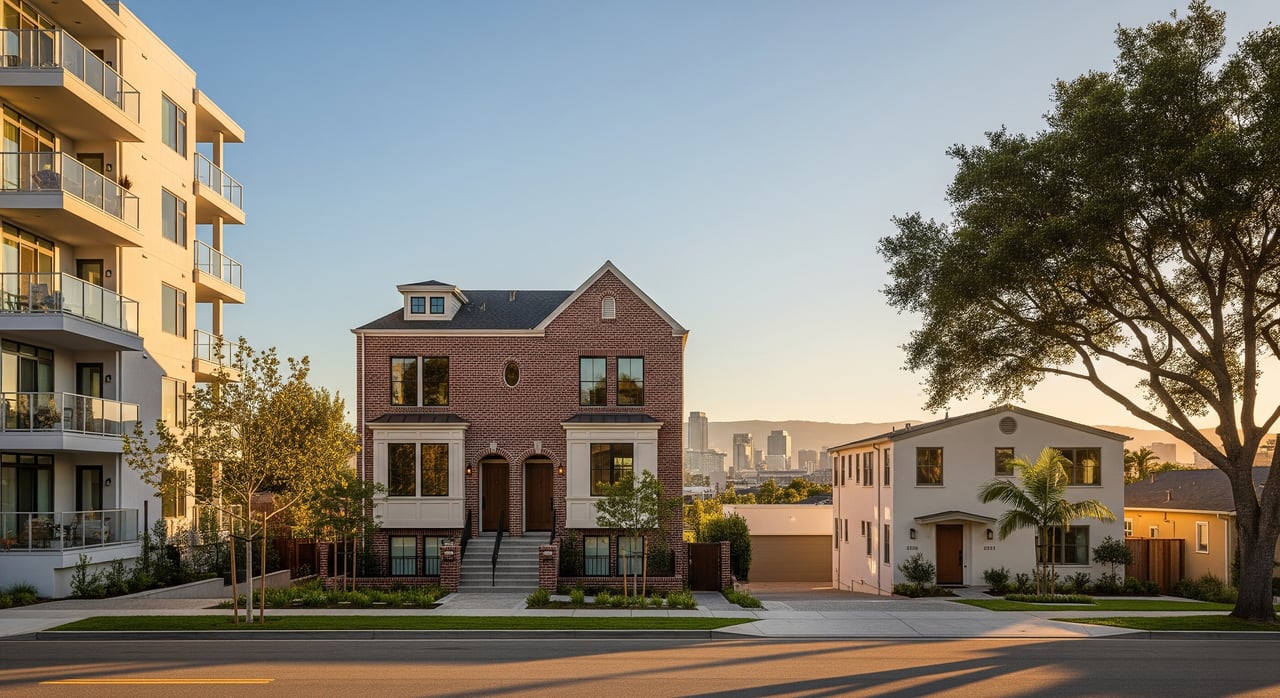
Wondering whether a condo, townhome, or house is the smarter move in San Jose and nearby East Bay markets? You are not alone. With prices high and options varied, it helps to understand what you actually own, how rules and costs work, and how each choice fits your lifestyle. In this guide, you will learn the key differences in ownership, financing, maintenance, rental rules, and resale so you can buy with confidence. Let’s dive in.
What you own: key differences
Condo
- You own the interior of your unit and a share of common areas like land, exterior, and amenities.
- A homeowners association (HOA) governs rules and maintains common elements.
- Project-level approvals can affect loan options and timing.
Townhome
- Ownership varies. Many are fee simple, which means you own the structure and lot, though you share walls. Others are condo-titled, which follows condo rules.
- There is often an HOA, but who maintains the roof, exterior, or yard depends on the legal setup.
- Townhomes feel more like a house, usually with a private entry and garage.
Single-family detached house
- You own the home and the land, with no shared walls.
- You control exterior decisions unless a community HOA exists.
- Financing is usually the most straightforward.
Why this matters: Ownership structure drives maintenance responsibilities, control over changes, financing complexity, and what you can add in the future.
Cost and financing essentials
- Purchase price and volatility. In Silicon Valley and Santa Clara County, detached homes usually carry the highest prices, while condos and townhomes can be more affordable entry points. Condos can be more price sensitive in downturns due to HOA and lending factors.
- HOA dues and assessments. Condos and many townhomes charge monthly dues for maintenance, insurance on common areas, and reserves. Review the current budget, reserve study, meeting minutes, and any planned special assessments. High dues or assessments can change total monthly cost.
- Lender requirements. Condos often require project approvals or must meet standards like owner occupancy and litigation status. Ask your lender early about the building or community. Fee-simple townhomes often underwrite like houses, while condo-titled townhomes follow condo rules. Detached homes have fewer project-level hurdles.
- Taxes and transfer costs. California’s Prop 13 sets assessments at purchase, with limited annual increases. Cities in Santa Clara County and the East Bay can have different transfer taxes and local fees, which impact closing costs.
- Insurance and earthquake coverage. Condo owners usually carry an HO-6 policy for interior finishes and personal property, while the HOA insures common elements. Townhome needs vary by ownership form. Detached homes typically use an HO-3 policy. Earthquake insurance is a separate policy in California and is worth careful consideration in the Bay Area.
Maintenance and daily living
- Condos: The HOA typically maintains the exterior, roof, landscaping, and shared systems. You handle the interior. Expect shared walls, floors, and ceilings, and variable parking arrangements.
- Townhomes: You share walls but often have a private entry, garage, and small yard. Maintenance responsibilities vary by legal structure and HOA.
- Houses: You have the most privacy, yard space, and control, along with full responsibility for exterior upkeep, roof, and landscaping.
If you want low maintenance and amenities, a condo can be a great fit. If you want a house-like feel with some shared maintenance, a townhome strikes a balance. If you value privacy, outdoor space, and flexibility, a detached home offers the most control.
ADUs, expansion, and flexibility
- Detached homes: Adding an ADU is generally allowed under California law, subject to local permits and setbacks. This can add flexibility for multigenerational living or rental income.
- Condos: ADUs are typically impractical because land and exteriors are common elements. HOA approval would be complex.
- Townhomes: Feasibility depends on ownership. Fee-simple townhomes may allow an ADU with city approvals, while condo-titled units typically cannot add one without extensive approvals.
If future expansion is part of your plan, confirm the legal structure early so you know what is possible.
Renting and resale factors
- Resale demand. Detached homes usually draw the widest buyer pool. Townhomes appeal to buyers who want low maintenance with a house feel. Condos fit first-time buyers, downsizers, and investors, but financing and HOA health can limit the pool.
- Rental rules. California’s AB 1482 adds just-cause eviction protections and limits annual rent increases for many long-term rentals, with certain exemptions. Local rules vary by city. Oakland and Berkeley have strong local renter protections, while San Jose and Santa Clara may have different requirements. Short-term rentals are regulated city by city, often with registration and primary-residence limits. Many HOAs restrict short-term rentals in their governing documents.
- HOA health. Litigation, low reserves, or high delinquency rates can hurt financing and demand. Serious building repairs or retrofit needs can affect values and timing.
Local considerations: San Jose and East Bay
- Market context. San Jose and Santa Clara County rank among the most expensive markets in the country, with limited developable land and strong employer demand. In-fill condos and townhomes are common entry points in Silicon Valley. East Bay cities like Oakland, Hayward, and Berkeley often offer lower median prices than Santa Clara County, but demand remains strong.
- City rules and costs. Check city-specific transfer taxes, rental ordinances, and short-term rental rules across San Jose, Santa Clara, Oakland, Hayward, and Berkeley. These can influence your purchase and ongoing use.
- Seismic and building safety. Many Bay Area municipalities have seismic retrofit programs for older multiunit buildings. For condos and some townhomes, verify any retrofit plans and funding.
- Transit and parking. Proximity to Caltrain, VTA, and BART matters for value and convenience. Parking rules vary by community and city, which is especially important for condo buyers.
How to choose: a quick guide
- Choose a condo if you want lower maintenance, amenities, and a potentially lower entry price, and you are comfortable with HOA rules and dues.
- Choose a townhome if you want a house-like feel, private entry and garage, and shared walls are acceptable. Confirm whether it is fee simple or condo-titled.
- Choose a detached house if you want maximum privacy, yard space, and control, and you are ready to handle full maintenance and a higher price point.
Due diligence checklist
For any property type
- Order a full home inspection and pest or termite inspection.
- Review all seller disclosures and confirm property tax basis and any local transfer taxes or special assessments.
- Verify zoning, lot lines, and any recorded easements.
For condos and condo-titled townhomes
- Review HOA documents: CC&Rs, bylaws, current budget, balance sheet, and the most recent reserve study.
- Read the last 6 to 12 months of HOA meeting minutes for clues on repairs, assessments, and rule changes.
- Verify the insurance master policy and deductible, any pending litigation, owner occupancy rate, and rental caps.
- Ask your lender early about project approval and financing requirements.
For fee-simple townhomes and detached homes
- Confirm who maintains the exterior, roof, and shared driveways if an HOA exists.
- Inspect drainage, foundation, and retaining walls. In hillside areas, review any engineering reports.
- If you plan an ADU or expansion, check city rules for setbacks, utilities, and parking.
Work with a local advisor
Condo, townhome, and house decisions in San Jose, Santa Clara County, and the Oakland–Hayward–Berkeley corridor come down to control, costs, and lifestyle fit. The right choice balances your budget, maintenance tolerance, desire for outdoor space, and plans to rent or expand. A seasoned local advisor can help you weigh HOA health, city rules, project financing, and resale dynamics so you move forward with clarity.
If you would like a clear plan for your next move, connect with The Lister Team to schedule a free home valuation and consultation.
FAQs
What is the main difference between condos, townhomes, and houses?
- Condos focus on owning the interior with shared common areas, townhomes may be fee simple or condo-titled with shared walls, and detached houses include full land and structure ownership.
How do HOA dues affect affordability in San Jose?
- Monthly dues and potential special assessments can increase your total cost, so include them in your budget and review the HOA reserve study, budget, and meeting minutes.
Are condos harder to finance than houses?
- Often yes, since many lenders require condo project approval and review occupancy, litigation, and financials, which can add time and limit loan options.
Can I add an ADU to a condo or townhome?
- ADUs are generally feasible on fee-simple lots with city approvals, usually not practical for condos, and depend on legal structure for townhomes.
What local rental rules should I know in the East Bay?
- Oakland and Berkeley have strong local renter protections, and short-term rentals are regulated by city, while HOA rules can also restrict rentals, so verify both city code and CC&Rs before leasing.