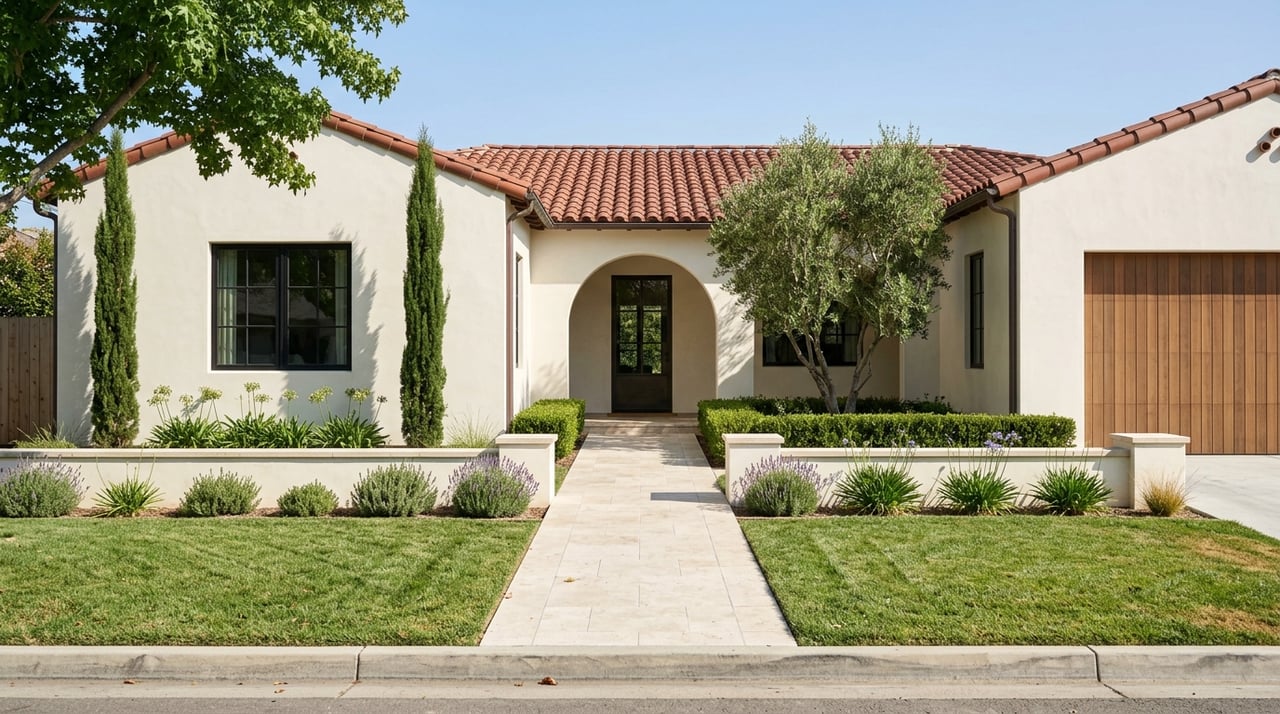
If you are moving up from a condo, townhome, or smaller house, Campbell can land in a sweet spot that is easy to overlook. It offers a step up in space and price point without automatically pushing you into Los Gatos-level costs. If you are trying to balance budget, commute, and daily lifestyle, this is exactly the kind of market that deserves a closer look. Let’s dive in.
Why Campbell attracts move-up buyers
Campbell sits in an interesting position within the South Bay. According to Redfin’s Campbell housing market data, the median sale price was $1.701 million in February 2026. That places it above San Jose at $1.325 million and below Los Gatos at $2.36 million.
For many move-up buyers, that middle position matters. You may be able to gain more house, a different neighborhood setting, or a more comfortable commute pattern without making the full jump to a higher-priced nearby market. Campbell is not a bargain market, but it can be a strategic next step.
Campbell also fits the profile of buyers who need to stay practical. ACS 2024 5-year data show a median household income of $145,268 and a mean travel time to work of 23.4 minutes. In plain terms, the city tends to appeal to households that can support a higher purchase price while still caring a lot about day-to-day access.
Price ranges by home type
One reason Campbell works well for move-up buyers is the range between attached and detached housing. Redfin’s city guide shows Campbell property-type medians at about $625,000 for condos and co-ops, $1.0075 million for townhomes, and $2.13 million for single-family homes.
That creates a visible ladder for buyers planning their next move. If you own an attached home now, Campbell may offer a realistic path into a larger attached property or a detached home, depending on your equity, income, and timing. You are not looking at a market with only one price band.
Here is a simple way to think about it:
| Property type | Approximate median price |
|---|---|
| Condo or co-op | $625,000 |
| Townhome | $1.0075M |
| Single-family home | $2.13M |
This is also where strategy matters. A move-up plan that looks comfortable at the townhome level may feel very different at the single-family level, especially if you want room for improvements, reserves, or a smoother overlap between selling and buying.
What kind of space can you expect?
If your main goal is more breathing room, Campbell can make sense. But it helps to set the right expectations.
The city’s Housing Element shows that Campbell’s R-1 district includes minimum lot sizes ranging from 6,000 to 16,000 square feet. In other residential districts, the minimum lot size for a single-family home is 6,000 square feet. Compared with Los Gatos, where R-1 zones range from 8,000 to 30,000 square feet and hillside residential zoning can require 40,000 square feet, Campbell is generally better suited to buyers seeking more space than attached housing offers, not estate-scale grounds.
That distinction is important. Campbell can be a smart fit if you want a yard, more privacy, or a detached-home feel. It may be less ideal if your vision centers on a very large parcel or a more estate-style setting.
Lifestyle and neighborhood feel
Move-up decisions are not only about square footage. They are also about how your daily life will feel once you move.
Campbell has a strong identity for a smaller South Bay city. The Downtown Development Plan describes downtown as a small-town historic district, and the city notes that preserving historic resources supports that small-town feel. If you want a market with a recognizable center, that is part of Campbell’s appeal.
The Pruneyard adds another major anchor. The city describes it as a 27-acre open-air shopping center with offices, regional retail, and a hotel. For many buyers, that means everyday convenience and a stronger sense of having services and activities close at hand.
Campbell also has city-recognized neighborhood associations, including Downtown Campbell, Campbell Village, Hamann Park, and Pruneyard-Dry Creek. That does not mean every area feels the same. It does mean your search should be specific, because block-by-block differences can shape noise levels, traffic patterns, access, and home style.
Commute and transit matter here
For many buyers, Campbell becomes more compelling once commute math enters the conversation. The city says it sits at the crossroads of Highways 85 and 17 and the county expressway system. It also has VTA light rail access in key districts, including Hamilton, Downtown, and Dell Avenue business areas.
VTA station information identifies Campbell Station at 175 Railway Ave., Hamilton Station at 850 E. Hamilton Ave., and Winchester Station at 2400 Winchester Blvd. Winchester is served by the Green Line and several bus routes. If you want more options than driving alone, Campbell offers meaningful transportation infrastructure.
The commute numbers reinforce that advantage. ACS 2024 5-year data put Campbell’s mean travel time to work at 23.4 minutes, compared with 26.5 minutes for the San Jose urban area and 27.6 minutes for Los Gatos. That does not guarantee a shorter commute for every buyer, but it supports Campbell’s reputation as a practical location for getting around the valley.
Is Campbell the right fit for your priorities?
The right move-up market depends on what you are trying to improve from your current home. Campbell tends to work best when your priorities line up with what the city actually offers.
Campbell may be a fit if you want balance
Campbell can make sense if you want:
- A step up from condo or townhome living
- Access to detached homes without automatically entering Los Gatos pricing
- A defined downtown and established community amenities
- Commute and transit options that support everyday flexibility
- A market with several neighborhood settings to compare
This balance is one of Campbell’s biggest strengths. It is often not the cheapest option and not the most expansive option, but it can be a very efficient option.
Campbell may be less ideal if you want maximum land
Campbell may be less aligned if your next move depends on:
- Estate-scale parcels
- Large-lot privacy as a top priority
- A very low-density setting
- A budget that does not comfortably stretch toward Campbell pricing
That does not mean Campbell has no larger properties. It simply means your search should start with realistic expectations, especially if lot size is one of your top decision points.
How competitive is the market?
Timing matters in a move-up purchase, and Campbell is not a market where you can always wait around. According to Redfin’s market report, homes typically sell in about 21 days, and the recent sale-to-list ratio was 103.4%. Redfin describes Campbell as somewhat competitive.
That pace has two implications. First, you need a clear budget ceiling before you start seriously shopping. Second, if you are selling one home and buying another, you may need a carefully sequenced plan to reduce stress and avoid rushed decisions.
Questions to ask before you move up in Campbell
If you are trying to decide whether Campbell is the right next step, focus on a few practical questions:
What is your true budget ceiling?
Compare your comfort level with Campbell’s attached-home and single-family price ranges. The jump from townhome pricing to single-family pricing can be significant, so it helps to know where your monthly payment, cash needs, and reserves still feel manageable.
How much outdoor space do you really need?
A larger lot can sound great in theory, but your ideal may be more about usable outdoor space than raw lot size. Campbell may check that box for many buyers, even if it is not the market for estate-style land.
Which commute pattern works best?
Think beyond city names and focus on your actual routes. Access near downtown, Hamilton, or Winchester may feel very different depending on where you work and how often you commute.
Can you coordinate your sale and purchase smoothly?
In a market where homes often move within about three weeks, timing deserves real planning. If you already own, your move-up strategy should account for pricing, prep time, and how to sequence both sides of the transaction.
Is Campbell your long-term stop?
For some buyers, Campbell is the destination. For others, it is a smart bridge between attached housing and a future purchase in a higher-priced nearby market. Both approaches can work, as long as you are honest about your timeline.
The bottom line on Campbell
Campbell can be an excellent move-up market if you want a practical middle ground in the South Bay. It offers a strong pricing ladder, useful commute access, a recognizable downtown, and opportunities to gain space without automatically reaching for Los Gatos pricing. The key is making sure your expectations around lot size, competition, and budget match the market.
If you are weighing Campbell against nearby options, a data-driven plan can make the decision much clearer. The The Lister Team can help you evaluate value, timing, and neighborhood fit so you can move up with confidence.
FAQs
Is Campbell more affordable than Los Gatos for move-up buyers?
- Yes. Redfin’s February 2026 data show a $1.701 million median sale price in Campbell compared with $2.36 million in Los Gatos, which can make Campbell a more attainable move-up option for many buyers.
What types of homes are available in Campbell for move-up buyers?
- Campbell offers a mix of condos, townhomes, and single-family homes, with Redfin city guide medians around $625,000, $1.0075 million, and $2.13 million respectively.
How fast do homes sell in Campbell, CA?
- According to Redfin, homes in Campbell typically sell in about 21 days, which means buyers should be prepared and organized before making offers.
Does Campbell offer good commute access in Santa Clara County?
- Campbell has access to Highways 85 and 17, the county expressway system, and VTA light rail stations in Campbell, Hamilton, and Winchester, which supports flexible commuting options.
Are lot sizes in Campbell large compared with nearby markets?
- Campbell can offer more space than attached housing, but its zoning standards generally point to more modest suburban lots than the larger minimum lot sizes found in many Los Gatos residential zones.