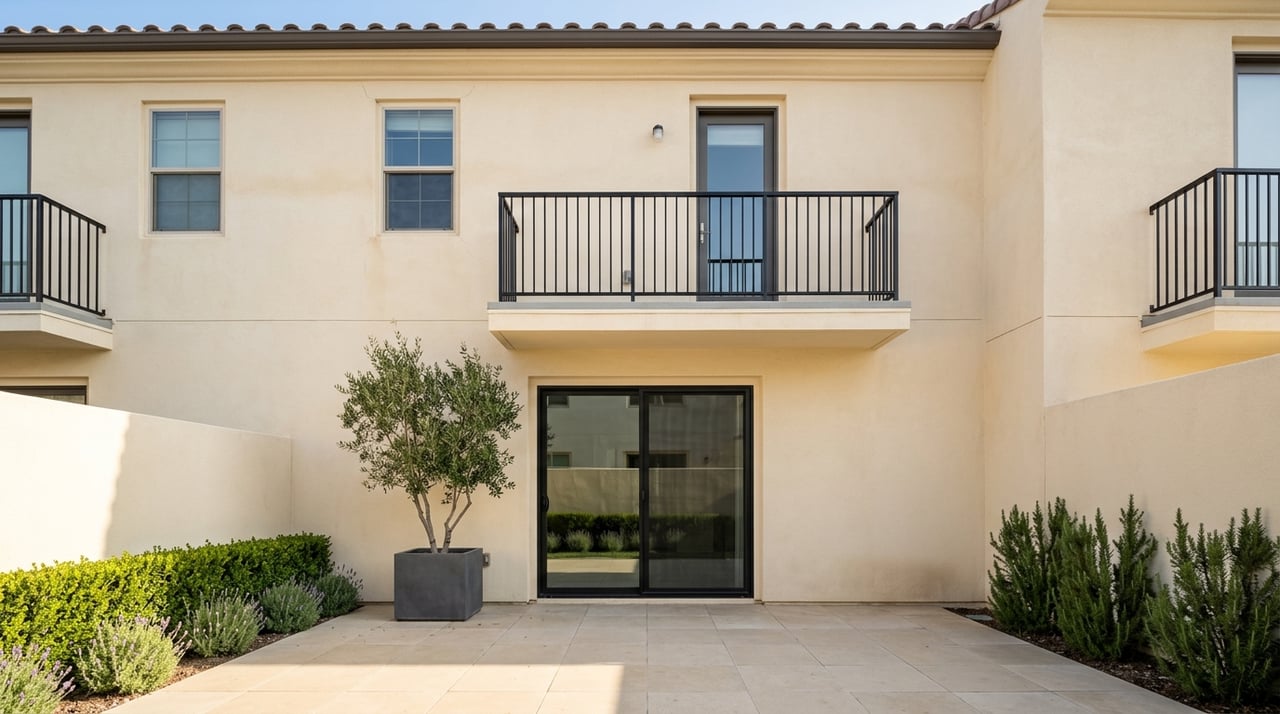
If you are deciding between a townhome and a single-family home in Sunnyvale, the price gap alone can stop you in your tracks. Many buyers want to balance budget, upkeep, privacy, and long-term flexibility, especially in a market where homes can move quickly and attract multiple offers. The good news is that this choice often becomes clearer once you compare the tradeoffs side by side. Let’s dive in.
Sunnyvale price differences matter
In Sunnyvale, the cost difference between these two property types is often the first major filter. Current market snapshots show townhomes around a $1.4 million median listing price, while detached single-family homes have recently posted medians around $2.76 million to $2.854 million. That is a meaningful spread, and it can shape everything from your down payment to your monthly payment and reserve funds after closing.
Sunnyvale also still has a housing mix that leans more heavily toward detached homes. City housing-plan data shows 1-unit detached structures at 39% of units and 1-unit attached structures at 9%. That helps explain why detached homes remain such a strong part of the local market, even as attached options continue to appeal to buyers seeking a lower entry point.
Why townhomes appeal to many buyers
A townhome can be a practical fit if you want to get into Sunnyvale at a lower price point than a detached home. Current examples show a wide range, with neighborhood snapshots around $1.02 million in Community Center, $1.43 million in Lakewood, and $1.44 million in East Sunnyvale. Some larger or newer townhomes can climb higher, but they still often sit below detached-home pricing.
For many buyers, that lower entry price creates more financial flexibility. You may be able to stay in a preferred location, keep more cash in reserve, or avoid stretching to the top of your budget. In a competitive market, that can give you a more comfortable decision-making range.
Another advantage is that townhomes often reduce some of the exterior workload. Depending on the community, you may have shared maintenance responsibilities handled through the HOA, along with features such as guest parking, pool or spa access, clubhouse space, gym access, trash service, or security cameras. That can support a more convenient, lock-and-leave lifestyle.
Why single-family homes stay in demand
Detached single-family homes usually attract buyers who want more separation, more outdoor space, and more direct control over the property. Current Sunnyvale examples show lots around 6,000 to 8,800 square feet, including one around 6,298 square feet. If private yard space is high on your list, detached homes usually offer more of it.
A detached home also typically gives you more privacy because you are not sharing walls with neighbors. That extra separation can change how the property feels day to day. It also gives you more independence when making exterior decisions, since you generally are not working within the same kind of HOA oversight found in many townhome communities.
The tradeoff is cost and upkeep. In Sunnyvale, detached homes often come with a much higher purchase price, and owners are typically responsible for items like yard care, exterior painting, roof replacement, and fence work. If you want the extra space and control, it is important to be honest about the time and budget that maintenance may require.
Maintenance is not always simple
One of the biggest misconceptions buyers have is that townhomes are maintenance-free. In California, maintenance responsibilities often depend on the governing documents, not just the property label. Under California Civil Code Section 4775, the association generally maintains common area, while the owner is responsible for the separate interest, and the owner maintains exclusive-use common area unless the governing documents say otherwise.
That means you should not assume the HOA handles everything outside your front door. Some townhomes may include private decks, patios, fenced yards, or attached garages, but those features do not remove shared walls, community rules, or maintenance boundaries. The details live in the CC&Rs and related HOA documents.
With a detached home, responsibilities are usually more straightforward because the owner generally handles the property directly. That simplicity can be appealing if you want control. Still, it also means you need to plan for the full cost of repairs and exterior upkeep over time.
HOA costs can change the math
When you compare a Sunnyvale townhome to a single-family home, do not stop at the purchase price. HOA dues can meaningfully affect your monthly cost. Current Sunnyvale townhome listings show HOA dues ranging from about $90 per month to $500 per month, with several examples in the $195 to $461 per month range.
Higher dues are not automatically a negative. In some communities, they help fund amenities and shared services that many buyers value. The key is to look at what the dues actually cover and whether that aligns with your lifestyle and budget priorities.
Just as important, review the association’s financial health. Under California Civil Code Section 5300, annual budget disclosures must include a summary of reserves, a reserve funding plan, and an insurance summary. Under Section 5550, reserve-study visual inspections must happen at least once every three years with annual board review, and Section 5605 limits certain assessment increases without owner approval.
Those disclosures can tell you a lot about how well the community plans for future repairs. A low HOA fee may look attractive at first, but it may not be as appealing if reserves are thin or future costs seem likely to rise. On the other hand, a higher monthly due may support better long-term maintenance and more predictable ownership costs.
Insurance and responsibility deserve a close look
Insurance is another area where buyers should slow down and ask detailed questions. California law requires an HOA insurance summary, but that does not mean the association policy covers everything inside or around your home. State law also warns that association coverage may not cover your personal property or improvements, and owners may still be responsible for deductibles.
This is especially important with townhomes because legal structure can vary. A PUD and a condo-form townhome may look similar from the street, but responsibility for roofs, exteriors, fences, landscaping, and insurance deductibles can differ. Before you write an offer, confirm exactly where the HOA’s responsibility stops and yours begins.
How to choose the better fit
The right choice usually comes down to what you value most, not which property type is better on paper. A townhome often fits buyers who want a lower entry price, somewhat less exterior upkeep, and a more convenient ownership experience. A detached home often fits buyers who prioritize privacy, yard space, and control, and are comfortable with higher upfront and ongoing costs.
A simple way to think about it is to weigh four categories:
- Budget: How much home can you comfortably afford without feeling overextended?
- Lifestyle: Do you want a lower-maintenance setup or more private outdoor space?
- Control: Are you comfortable with HOA rules and shared decision-making?
- Time horizon: Will this home meet your needs for the next several years?
In Sunnyvale, this decision can be especially sharp because the price spread between townhomes and detached homes is so large. If you are trying to stay flexible financially, a townhome may open more doors. If long-term privacy and land matter more, paying more for a detached home may feel justified.
Smart due diligence before you offer
No matter which direction you lean, careful review matters in Sunnyvale’s competitive market. Homes often go pending quickly and can attract multiple offers, so it helps to know your decision framework before the right property appears. That way, you can act decisively without skipping important details.
Before touring seriously or preparing an offer, make sure you review:
- CC&Rs
- HOA budget
- Reserve study summary
- Insurance summary
- Maintenance boundaries
- Whether the townhome is a PUD or condo-form property
This is where experienced local guidance can make a real difference. With appraisal-based perspective and deep Santa Clara County market knowledge, you can compare not just list prices, but the true ownership tradeoffs behind them. If you want help weighing your Sunnyvale options, The Lister Team can help you evaluate the numbers, the documents, and the lifestyle fit with confidence.
FAQs
What is the main price difference between Sunnyvale townhomes and single-family homes?
- Current market snapshots show Sunnyvale townhomes around a $1.4 million median listing price, while detached single-family homes have recently been around $2.76 million to $2.854 million, making detached homes materially more expensive.
What should you review in a Sunnyvale townhome HOA before making an offer?
- You should review the CC&Rs, HOA budget, reserve study summary, insurance summary, and maintenance boundaries, because those documents help clarify costs, responsibilities, and potential future assessments.
Why might a Sunnyvale buyer choose a townhome over a detached home?
- A townhome may be a better fit if you want a lower entry price, potentially less exterior upkeep, and access to shared amenities, even if that means HOA dues, shared walls, and community rules.
Why might a Sunnyvale buyer choose a single-family home over a townhome?
- A detached home may be a better fit if you value more privacy, more yard space, and more control over exterior decisions, and you are comfortable with a higher purchase price and more direct maintenance responsibility.
Do Sunnyvale townhome HOA dues always mean lower maintenance for owners?
- No. HOA dues can cover certain shared services and amenities, but under California law and the governing documents, owners may still be responsible for parts of the property such as separate-interest areas or exclusive-use common areas.
Why does the legal structure of a Sunnyvale townhome matter?
- A PUD and a condo-form townhome can assign responsibility differently for items like roofs, exteriors, fences, landscaping, and insurance deductibles, so the legal structure can affect both your costs and your maintenance obligations.