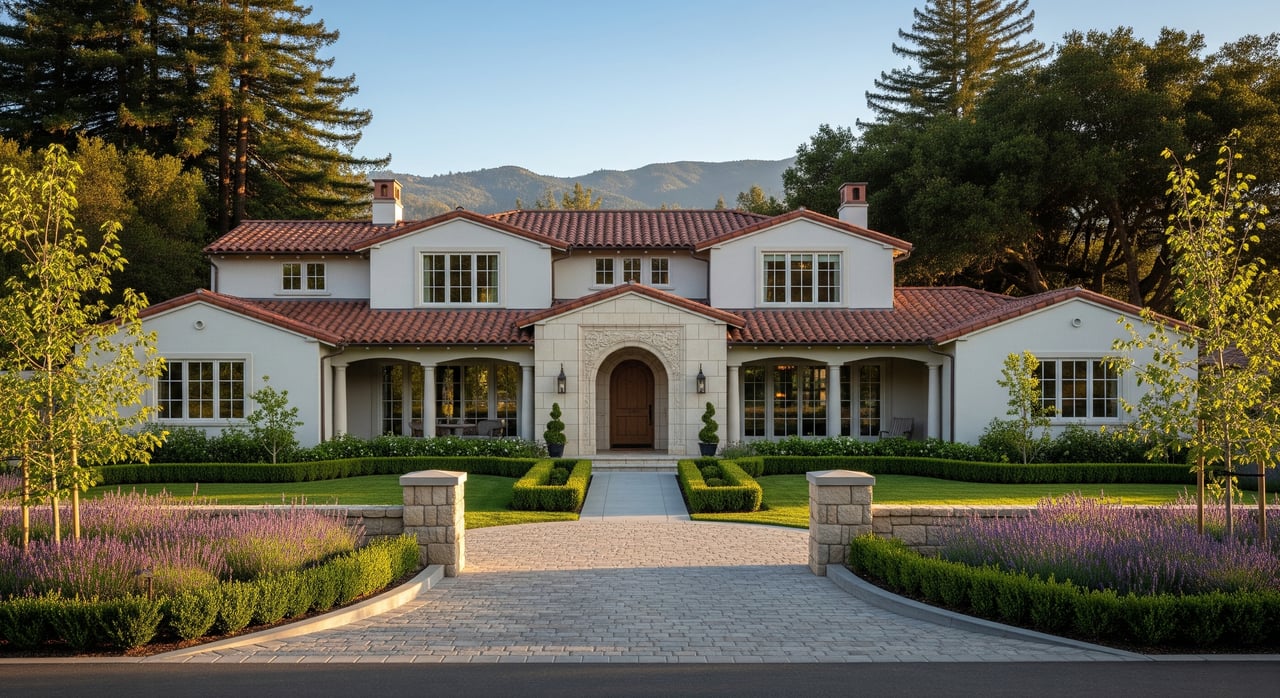
Thinking about buying in Saratoga but not sure which home style fits you best? With tree‑lined streets, larger lots, and a relaxed, indoor‑outdoor lifestyle, you have great options to consider. You want a home that feels right on day one and makes sense to maintain over time. This guide breaks down the classic styles you will see in Saratoga, how they live, and what to look for on tours so you can move forward with confidence. Let’s dive in.
Why Saratoga home styles stand out
Saratoga sits against the Santa Cruz Mountains with a Mediterranean climate. That means mild, wet winters and dry summers, which favor patios, terraces, and drought‑tolerant landscaping. Larger lots and privacy are common, and many neighborhoods include established mid‑century and ranch homes along with newer custom estates.
Local planning and building rules apply to remodels and additions, and some areas include design review for exterior changes. Older homes may predate modern seismic codes, so foundation bolting, chimney safety, and other retrofits are worth checking. In hillside areas, wildfire preparedness, defensible space, and slope stability matter.
Ranch homes in Saratoga
Street cues you can spot
- Single‑story, low profile with long rooflines and wide eaves.
- Attached front garage, simple rectangular or L‑shaped footprint.
- Wood or stucco siding with large picture windows, often facing the yard.
Inside feel and flow
- One‑level living with bedrooms on one side and living spaces on the other.
- Easy access to back patios and lawns encourages casual indoor‑outdoor living.
- Works well if you prefer simple circulation and quick yard access.
Smart upkeep and upgrades in Saratoga
- Watch roof age and drainage, since shallow pitches and gutters need attention.
- Many originals have single‑pane windows and limited insulation. Upgrading improves comfort and energy use.
- Older electrical panels can be undersized, and kitchens often benefit from reconfiguration.
- Seismic items may include chimney connections and general bracing.
Quick tour checklist
- Roof condition, eaves, gutters, and front yard grading away from the foundation.
- Signs of slab settlement or cracking, window performance, and electrical capacity.
- Potential for a kitchen that opens to living areas, skylights, and low‑water landscaping.
Mid‑century homes and hybrids
Street cues you can spot
- Clean lines, clerestory windows, and broad glass walls with slender posts.
- Flat or low‑pitched roofs with exposed beams or rafter tails.
- Mixed materials like wood, stone, concrete block, and expressed post‑and‑beam structure.
Inside feel and flow
- Open plans with long sightlines from kitchen to living spaces and outdoors.
- Large sliders and terraces extend living areas into the yard.
- Ideal if you value natural light, modernist aesthetics, and informal entertaining.
Smart upkeep and upgrades in Saratoga
- Flat or low‑slope roofs demand more maintenance and careful waterproofing.
- Original single‑pane glass can be inefficient and frames may show wear. Replacements should respect original lines.
- Older mechanicals and wiring often need updating. Pre‑1978 finishes may involve lead paint, and some homes include asbestos materials, so plan safe renovation.
Quick tour checklist
- Roof membrane condition and flashing at transitions.
- Integrity of exposed beams, deck connections, and window frames.
- HVAC and electrical status, plus any notes on hazardous materials and proper abatement if remodeling.
Contemporary and modern homes (1990s to today)
Street cues you can spot
- Clean forms with varied volumes and large, high‑performance glazing.
- Mixed materials such as stucco, fiber cement, metal, and glass.
- Strong entries and landscape that frames the architecture.
Inside feel and flow
- Open layouts with defined zones, large sliding or stacking doors to patios.
- Modern kitchens and baths, primary suites, bonus rooms, and flexible work spaces.
- Often built to current energy standards, with efficient HVAC and smart‑home features.
Smart upkeep and upgrades in Saratoga
- Newer systems reduce near‑term maintenance, but learn the basics of heat pumps, tankless water heaters, and controls.
- Flat or low‑slope roof sections still need routine care.
- Confirm that major remodels were permitted and documented.
Quick tour checklist
- Operation of HVAC, water heating, EV charging, and smart controls.
- Roof details, deck waterproofing, and glazing wall flashings.
- Warranty documents and permit history for recent work.
Custom estates near the foothills and beyond
Street cues you can spot
- Larger parcels with long drives, gates, and layered landscaping for privacy.
- High‑end materials like stone, tile roofs, and extensive glass.
- Amenities such as pools, guest houses, terraces, and multi‑car garages.
Inside feel and flow
- Spacious rooms and multiple living zones, sometimes across several levels.
- Dedicated spaces for offices, fitness, media, and guests.
- Strong connection to outdoor rooms, views, and entertaining.
Smart upkeep and upgrades in Saratoga
- Expect higher maintenance across landscaping, pools, irrigation, and multiple HVAC zones.
- Complex systems and home automation require routine professional service.
- On hillside properties, plan for drainage management, erosion control, and wildfire defensible space. Historic estates may involve preservation review.
Quick tour checklist
- Site drainage, retaining walls, and driveway condition.
- Roofs, exterior envelope, pool and irrigation systems, and service records.
- For hillside lots, request geotechnical insights and a thorough systems review.
Saratoga‑specific essentials
Climate and outdoor living
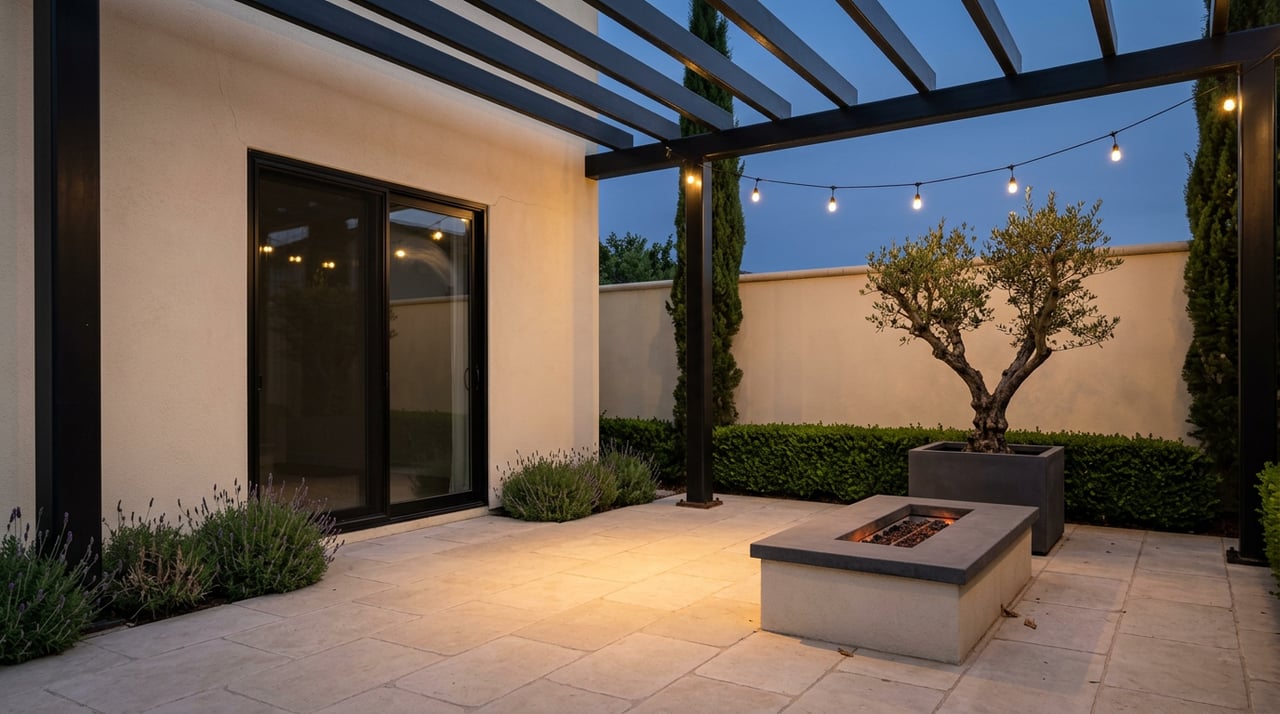
- Plan shaded patios, pergolas, and drought‑tolerant planting to match dry summers and wet winters.
- Hardscape and well‑placed drains help protect foundations and support outdoor use year‑round.
Seismic and wildfire resilience
- Look for foundation bolting, cripple wall bracing, and secure chimneys in older homes.
- In areas closer to the hills, maintain defensible space with fire‑resistant plants and clear zones around structures.
Permits and approvals
- Exterior changes, additions, and major remodels typically need city permits. Some neighborhoods include design review.
- Larger hillside projects may require geotechnical reports and additional approvals.
Choosing the right fit
If you want single‑level convenience and easy yard access, a Saratoga ranch often checks the boxes. If you love light, glass, and clean lines, mid‑century homes offer a timeless modern feel. If you prefer newer systems and flexible spaces for work and entertaining, contemporary homes deliver efficiency and convenience. If privacy, scale, and amenities are your priority, custom estates provide room to create a complete at‑home lifestyle.
No matter which style attracts you, focus on how the home supports daily routines, how it connects to the outdoors, and what maintenance looks like over the next five to ten years. Then confirm the structure, systems, and permits align with your plans.
Ready to match a home style to your goals in Saratoga? Reach out to schedule a private consultation and see curated options that fit your timeline, budget, and lifestyle. Connect with The Lister Team to get started.
FAQs
What are the most common home styles in Saratoga?
- You will most often see single‑story ranch homes and mid‑century designs in established neighborhoods, plus contemporary rebuilds and larger custom estates, especially near the foothills.
How does Saratoga’s climate affect home choices and upkeep?
- The Mediterranean pattern favors patios and drought‑tolerant landscaping, while roof drainage, gutter care, and well‑planned hardscape are important for winter rains.
What should I check first in older Saratoga homes?
- Review roof condition, windows and insulation, electrical capacity, and any seismic retrofits such as foundation bolting and chimney bracing, then confirm permit history for past work.
Are flat or low‑slope roofs a concern on mid‑century homes?
- They can perform well with proper materials and maintenance, but you should inspect membranes, flashing at transitions, and drainage to avoid leaks.
Do hillside properties in Saratoga need special inspections?
- Yes, consider geotechnical input on slope stability, thorough drainage reviews, wildfire defensible space planning, and documentation for retaining walls and site work.
How do permits and design review work in Saratoga?
- Most exterior changes, additions, and major interior remodels require city permits, and some neighborhoods include design review, so plan timelines accordingly.